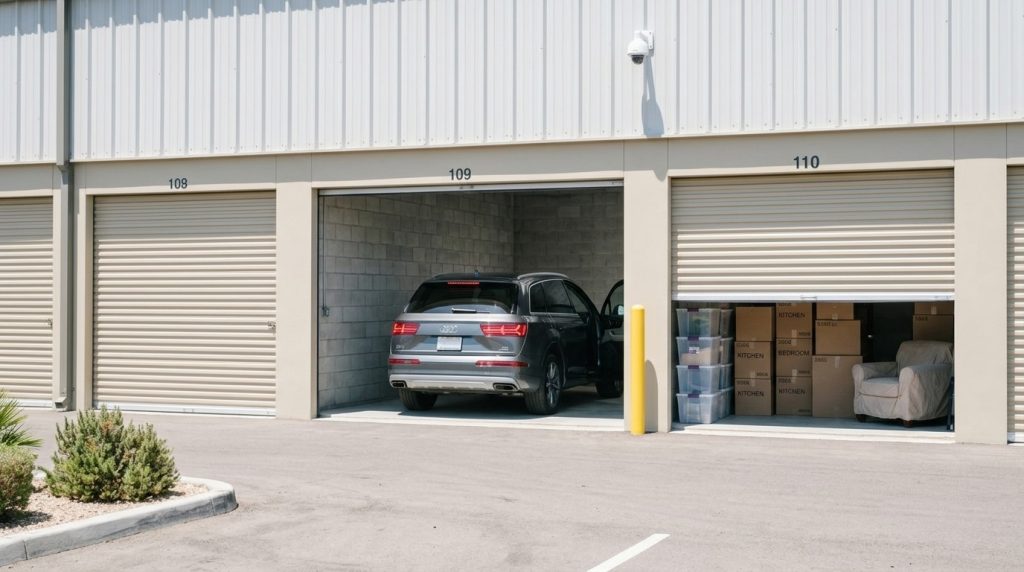
Climate-controlled storage keeps your belongings in a regulated environment year-round, protecting them from heat, cold, humidity, and the damage that builds up slowly when those forces go unchecked. Standard drive-up units skip that protection in exchange for a lower price and direct vehicle access. Choosing between them comes down to what you are storing, how long you plan to store it, and where you live.
In West Virginia, that last factor matters more than most people expect. The humidity alone can ruin furniture, warp wood, grow mold on fabric, and corrode electronics over a single summer. This guide walks through exactly what climate control does, where standard units still make sense, and how to match the right unit to what you actually own.
What Climate Control Actually Does
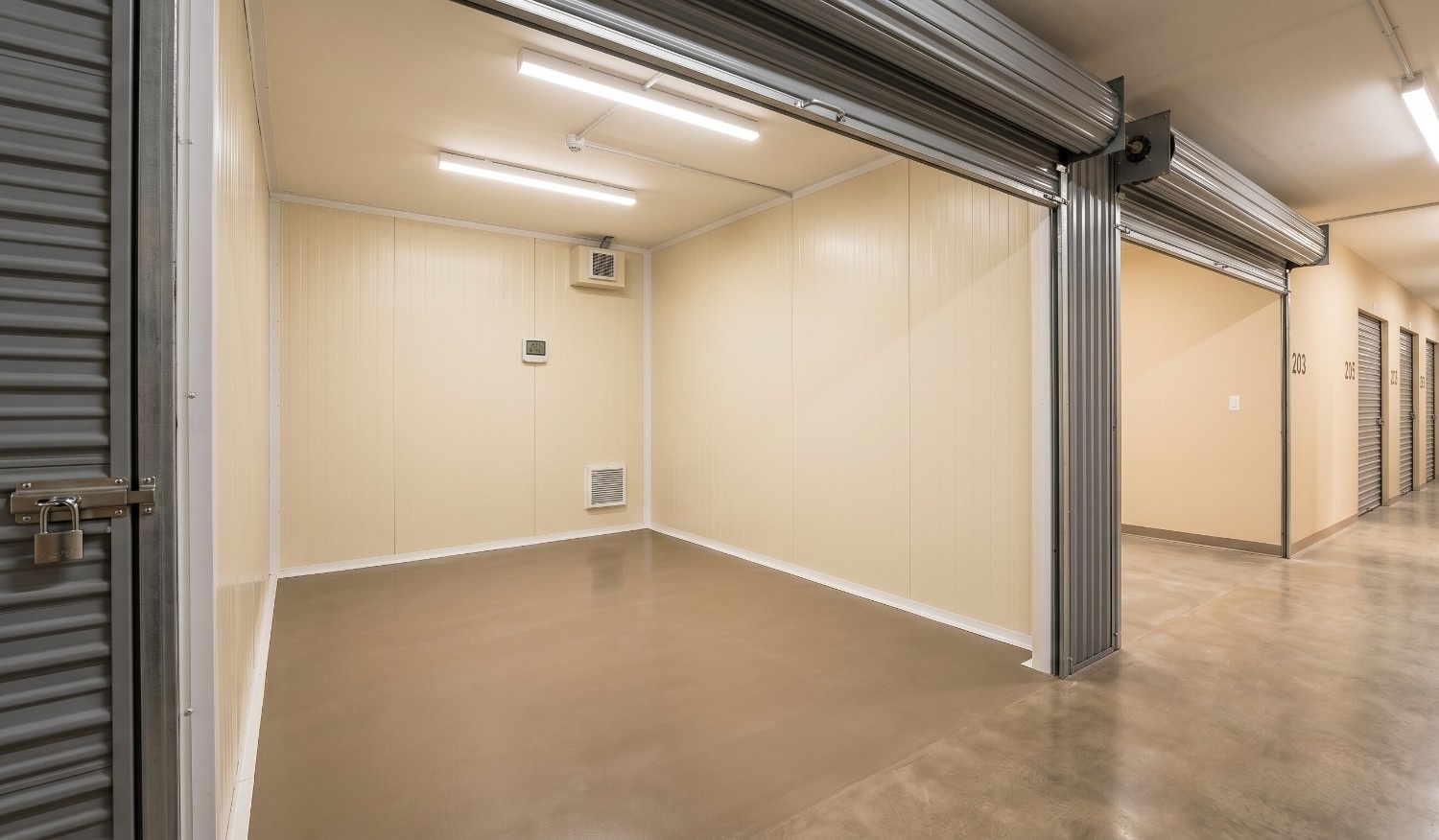
The term gets used loosely in the storage industry, so it is worth being precise. A climate-controlled unit maintains a consistent temperature year-round, typically between 55 and 85 degrees Fahrenheit, regardless of what is happening outside. The better facilities also regulate humidity, which is the factor responsible for most long-term storage damage.
Standard units have none of that. The temperature inside reflects the temperature outside. On a 95-degree July day in Parkersburg, a standard unit is 95 degrees. In January, it drops to whatever the overnight low happens to be. Humidity follows the same pattern.
Climate-controlled units at MOV Self Storage in Vienna, WV are heated, insulated, and monitored Monday through Saturday. The facility itself is an enclosed building, which means your unit is protected from the elements on all sides, not just above.
Climate control is not just air conditioning. It is year-round temperature regulation plus humidity management. Many facilities offer only one of the two. Ask specifically whether a unit is also humidity-controlled before renting.
Why West Virginia Climate Makes This Decision Matter More
West Virginia sits in a humid continental climate zone. Summers are hot and humid. Winters bring sustained freezing temperatures. The swing between the two is significant, and the humidity level throughout most of the year is high compared to drier parts of the country.
This is not an abstract concern. Here is what those conditions do to common stored items over a single year in a standard unit:
- Wood furniture swells in summer humidity and contracts in winter cold, eventually cracking or warping permanently.
- Leather softens and then molds in sustained humid conditions.
- Electronics corrode internally when moisture penetrates casings, causing failure even without any visible water damage.
- Paper documents and photographs yellow, become brittle, and stick together.
- Fabric grows mildew, which produces permanent staining and a smell that does not wash out.
- Antique vehicles suffer rust formation on bare metal surfaces and deterioration of rubber seals and gaskets.
These are not worst-case outcomes. They are what happens with ordinary WV humidity and temperature variation in an uncontrolled storage environment over months. Climate control stops this cycle entirely.
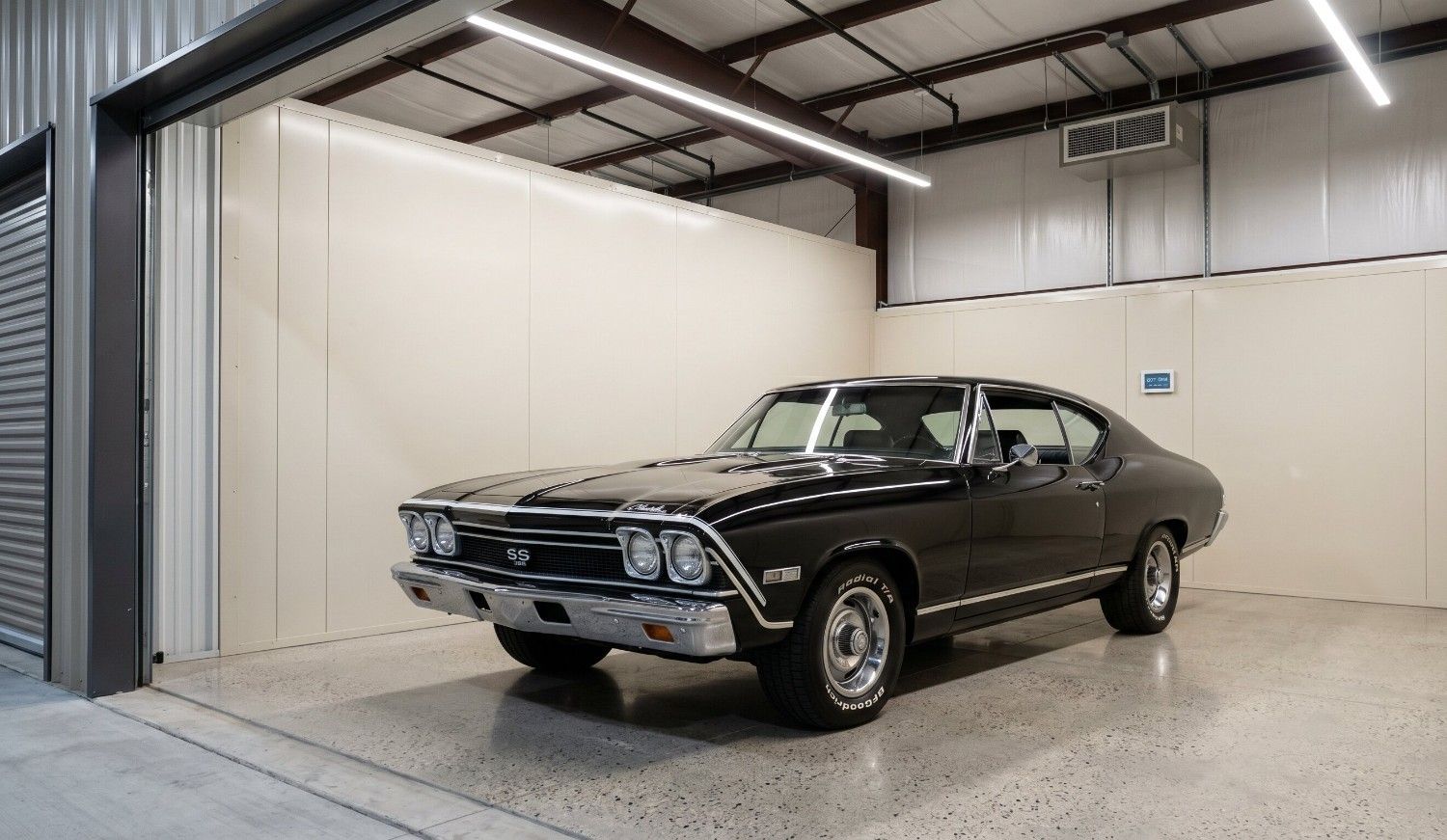
Climate-controlled vehicle storage with 10-foot ceilings accommodates antique cars and motorcycles, protecting them from WV humidity and temperature swings year-round.
Benefits of Climate-Controlled Storage, in Detail
Protection from humidity and moisture damage
This is the primary benefit and the one most underestimated. Humidity does not cause sudden, dramatic damage. It works slowly, which is why people often discover the problem only when they open their unit after several months. By then, wood has already warped, mold has already rooted in fabric, and paper has already deteriorated. Climate control prevents the humidity from reaching damaging levels in the first place.
Stable temperature year-round
Extreme heat degrades adhesives, warps plastics, and accelerates chemical breakdown in electronics and photographs. Extreme cold makes materials brittle, causes metal to contract, and can crack items that expand and contract repeatedly through seasonal cycles. A temperature-regulated unit keeps your belongings out of both extremes.
Better air quality and reduced dust
Climate-controlled units are housed inside sealed, insulated buildings with active air circulation. That means less dust settling on your belongings over time, and fewer airborne particles working their way into electronics, instruments, and fabrics. Standard drive-up units, which are accessed directly from outside, accumulate significantly more particulate matter over the same period.
Reduced pest risk
Pests look for warmth, moisture, and entry points. A well-sealed, climate-controlled building offers fewer of all three than an exterior-facing drive-up unit. The stable environment inside is also simply less hospitable to rodents and insects than a unit that fluctuates with outdoor conditions.
Better security and facility conditions
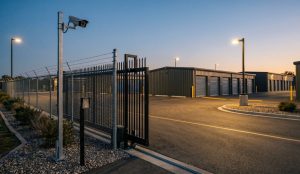
Climate-controlled units are almost always housed inside a main building rather than in exterior rows. That interior location adds a layer of physical security: anyone reaching your unit has to pass through the building entrance in addition to the perimeter gate. At MOV Self Storage, that means two card-access checkpoints before reaching any interior unit, on top of the fenced perimeter and 24-hour camera coverage. The climate-controlled storage units here benefit from all five security layers the facility operates.
Peace of mind for long-term storage
For anything stored longer than three months, the risk of environmental damage in a standard unit compounds over time. Climate control removes the need to worry about what condition your belongings will be in when you return. That peace of mind is part of what you are paying for, and for anything with real financial or sentimental value, it is worth it.
When a Standard Drive-Up Unit Is the Right Call
Standard units are not a lesser product. They are the right product for a specific set of needs, and choosing one over a climate-controlled unit when it fits the situation saves you money without any meaningful trade-off.
A standard drive-up unit makes sense when:
- You are storing tools, power equipment, or yard and garden items that are already built for outdoor conditions.
- You are storing seasonal items with no climate sensitivity: holiday decorations, outdoor furniture cushions in sealed bags, sports equipment.
- You need short-term storage, under three months, for general household items during a move.
- You need to drive directly to your unit door for frequent loading and unloading of heavy or bulky items.
- The items have no material vulnerability to humidity, temperature, or dust.
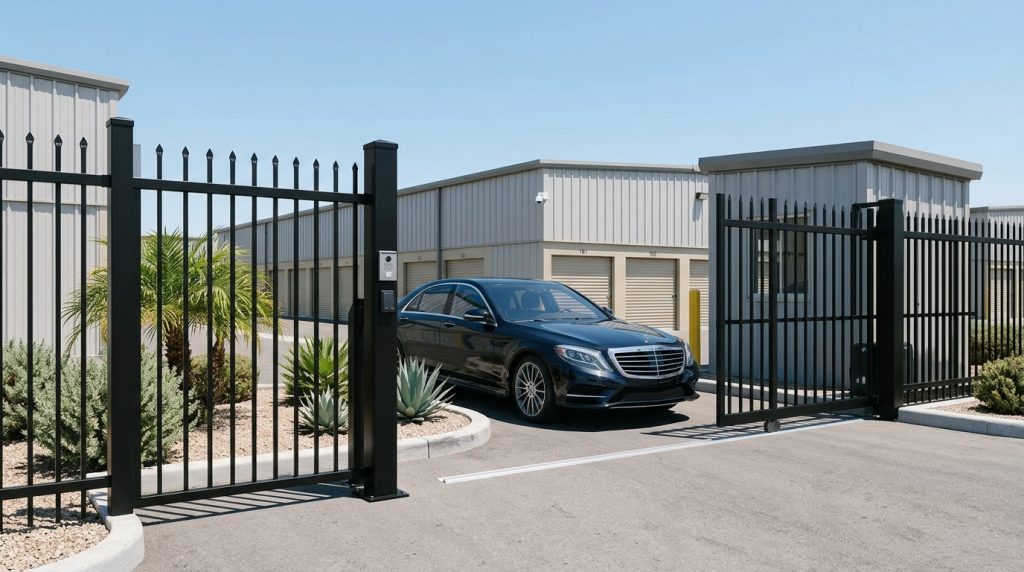
At MOV Self Storage, the 8×20 standard drive-up unit at $110 per month is designed for exactly this use case. It carries the same security standards as the rest of the facility, with the same fenced perimeter, card-access gate, and 24-hour surveillance. The difference is purely environmental, not in how the facility protects the unit from outside access.
Side-by-Side Comparison
| Feature | Climate-Controlled | Standard Drive-Up |
|---|---|---|
| Temperature regulation | Yes — 55 to 85°F year-round | No — reflects outdoor temperature |
| Humidity control | Yes — regulated to prevent moisture damage | No — follows ambient humidity |
| Unit location | Inside an enclosed, insulated building | Exterior access, drive directly to door |
| Air quality | Circulated, cleaner, less dust accumulation | Open to outside air on access |
| Pest risk | Lower — sealed building, stable environment | Higher — more exposure to exterior conditions |
| Security access points | Perimeter gate + building entrance | Perimeter gate |
| Best storage duration | Any duration, especially 3+ months | Short-term or non-sensitive items |
| Price at MOV (Vienna, WV) | From $73/mo (6×9) to $180/mo (11×20) | $110/mo (8×20) |
What to Store in Each Type
- Wood and upholstered furniture
- Electronics and appliances
- Antique or classic vehicles
- Motorcycles
- Documents, photographs, books
- Artwork and antiques
- Musical instruments
- Wine and spirits
- Clothing stored long-term
- Business inventory and records
- Collectibles with monetary or sentimental value
- Hand and power tools
- Lawn and garden equipment
- Contractor supplies and materials
- Outdoor furniture (off-season)
- Sports and recreation gear
- Holiday decorations in sealed bins
- General household items during a move
- Non-sensitive items needing frequent access
The rule of thumb: if it would survive a year in your garage without damage, a standard unit is likely fine. If you would not leave it in an unheated, unventilated space through a West Virginia summer and winter, it needs climate control.
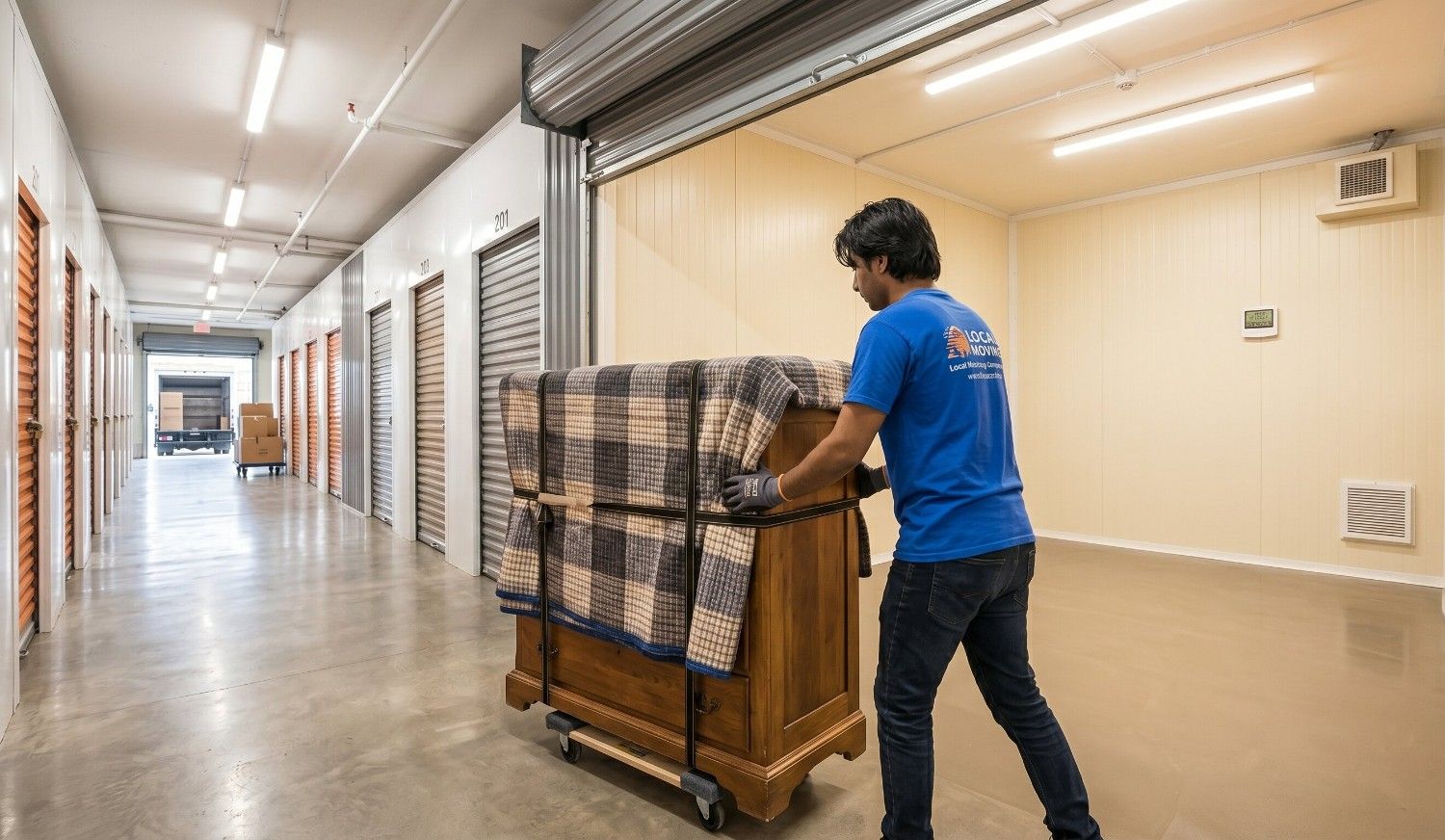
Furniture, in particular, benefits from climate control. Wood and fabric react to humidity changes over time in ways that are irreversible by the time you notice them.
Does Climate Control Cost Significantly More?
Climate-controlled units generally carry a higher price than comparable standard units, but the gap is smaller than most people expect, and it needs to be weighed against what it would cost to replace or repair the items being stored.
At MOV Self Storage, climate-controlled units start at $73 per month for a 6×9, which suits boxes, smaller items, and seasonal storage. The full range:
There is also a cubic-feet consideration that changes the cost calculation. MOV Self Storage units have 10-foot ceilings, compared to the industry standard of 8 feet. That is 20 percent more usable space in every unit. An 11×20 unit with 10-foot ceilings gives you 2,200 cubic feet. The same footprint at 8 feet gives you 1,760. Many customers find they fit comfortably into one size smaller than they expected, which often means their actual cost is lower than the equivalent at a standard-ceiling facility.
Before comparing prices between facilities, compare cubic footage, not floor space. A $180/mo unit with 10-foot ceilings holds substantially more than a $165/mo unit with 8-foot ceilings. The cheaper option often costs more per cubic foot.
For vehicle storage, the 11×20 climate unit at $180 per month is the appropriate choice. Storing an antique car in a non-climate unit for a year risks damage to paint, rubber, chrome, and interior materials that can far exceed the annual cost difference between unit types.
Frequently Asked Questions
For temperature-sensitive items, yes. The cost of replacing or repairing furniture, electronics, documents, antiques, or a vehicle affected by moisture or temperature damage almost always exceeds the price difference between unit types. For tools and non-sensitive seasonal items, the extra cost may not be necessary.
Most climate-controlled units maintain temperatures between 55 and 85 degrees Fahrenheit year-round. This keeps your belongings out of both the freezing lows of a West Virginia winter and the high heat of summer. Humidity is also regulated, which is the factor most responsible for long-term damage to furniture, paper, fabric, and metal.
Yes, especially wood and upholstered furniture. Wood expands when humid and contracts when dry. Repeated cycling through a WV summer and winter will eventually crack, warp, or split wood joints. Upholstery grows mildew in sustained humidity. Climate control prevents both. Even a few months in a standard unit during peak humidity season can cause permanent damage to quality furniture.
You can, but it is not recommended for any significant storage period. Vehicles stored in non-climate conditions are exposed to humidity-driven rust on exposed metal, seal and gasket deterioration, tire flat-spotting in cold, and interior mold in damp conditions. Climate control is the appropriate choice for any vehicle you care about preserving. The 11×20 climate unit at MOV Self Storage is sized and equipped for exactly this use.
It should, and the best facilities do. Temperature regulation alone does not prevent humidity damage. A unit that controls only temperature can still reach damaging moisture levels during West Virginia summers. Ask the facility specifically whether their climate-controlled units also regulate humidity before renting.
For non-sensitive items like tools, equipment, and seasonal gear, a standard unit is fine indefinitely. For furniture, electronics, documents, or anything affected by moisture or temperature, three months through a humid WV summer is enough time for damage to appear. Long-term storage of sensitive items in a non-climate unit in this region is a real risk.
The smallest climate-controlled unit is a 6×9 at $73 per month. It suits boxes, small seasonal items, and documents. All climate units have 10-foot ceilings, which means even the smallest unit holds more than its floor footprint suggests. Call (681) 588-0138 to check availability or ask which size fits what you plan to store.
Climate-Controlled Storage in Vienna, WV
All climate units at MOV Self Storage are heated, insulated, and monitored, with 10-foot ceilings that give you 20% more usable space than standard facilities. Month-to-month, no long-term contract. Serving Vienna, Parkersburg, Williamstown, Belpre, and Marietta.
Check Availability and Pricing